Add your promotional text...
The Importance of Fluid Management for Hemodialysis Patients
4/2/20262 min read
Understanding Fluid Management in Hemodialysis
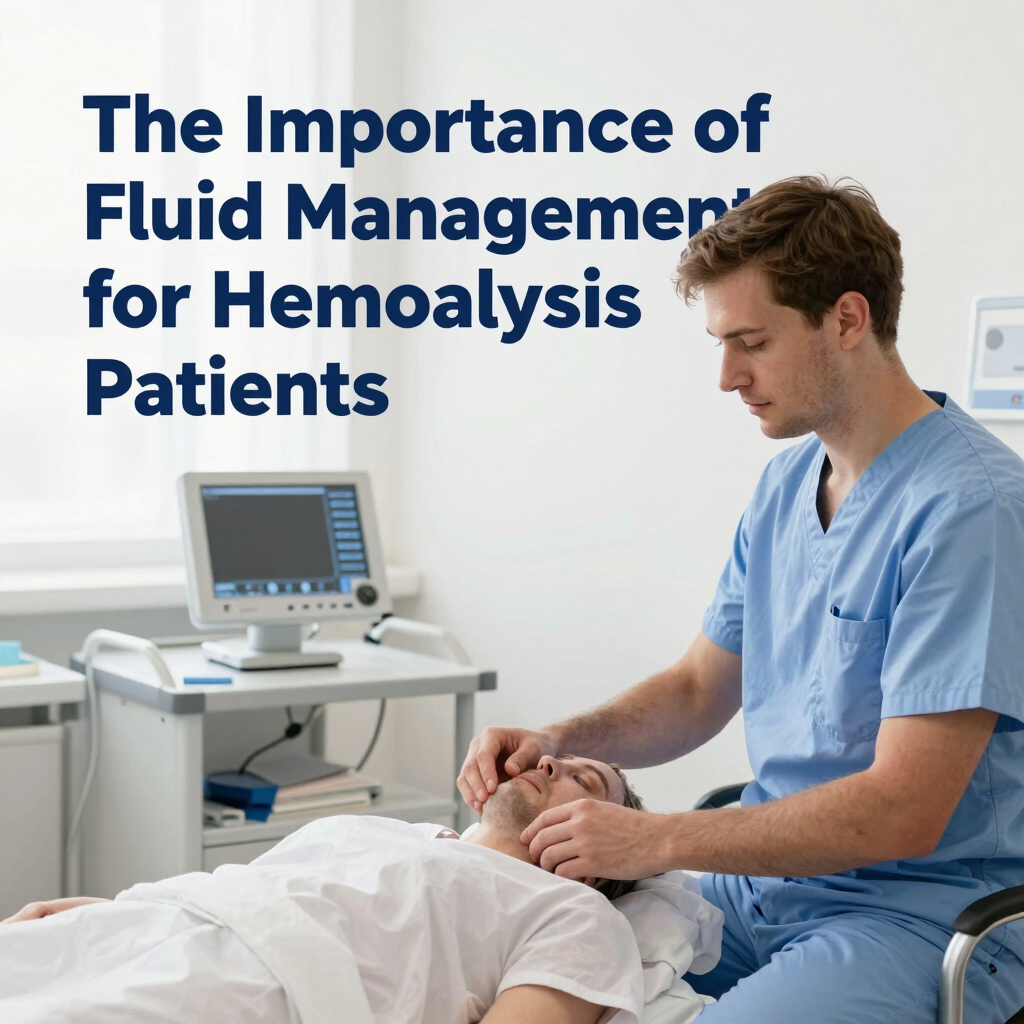
For patients undergoing hemodialysis, managing fluid intake is critical to health and comfort. Hemodialysis helps to filter waste, toxins, and excess fluids from your blood, but it’s important to keep track of how much fluid you consume between treatments. If fluid builds up, it can lead to serious complications such as high blood pressure, swelling, and heart issues.
What Happens When Fluid Builds Up?
When patients on hemodialysis retain too much fluid, it puts extra stress on the heart and can cause discomfort. Symptoms may include shortness of breath, swelling in the ankles or feet, and hypertension. This buildup can lead to complications that make dialysis less effective. Maintaining the right fluid balance is, therefore, crucial for your overall health.
Five Practical Tips for Managing Fluid Intake
Managing thirst and fluid intake can be challenging, but here are five easy tips to help you keep track of your fluid consumption safely:
- Stay Hydrated Wisely: Opt for ice chips or frozen fruit to help satisfy your thirst without consuming large amounts of liquid. This allows you to enjoy a refreshing treat while keeping your intake in check.
- Kick Dry Mouth to the Curb: Dry mouth can be uncomfortable, so consider using mouthwashes designed for dry mouth relief or sugar-free gum. This can help keep your mouth moist without the need to drink more water.
- Keep a Fluid Chart: Tracking your daily fluid intake can be incredibly helpful. Write down everything you drink to stay mindful about your consumption. It’s also helpful for your healthcare team during appointments.
- Practice Portion Control: Instead of drinking large amounts at once, sip your beverages slowly. This method allows you to enjoy your drinks without feeling easily overwhelmed.
- Count Foods as Fluids: Remember that many foods have high water content. Vegetables and fruits, for instance, can contribute to your overall fluid intake. Be mindful of how these can either add to or count against your fluid restrictions.
Fluid management is a necessary part of leading a healthy life while on hemodialysis. Remember that you're not alone on this journey; support is always available to help you navigate your fluid needs. With the right strategies and mindset, you can effectively manage your thirst and improve your quality of life.
Contact
Reach out for compassionate kidney care
Services
Guide
info@stmichaelcar.com
+63-88-123-4567
© 2025. All rights reserved.