Add your promotional text...
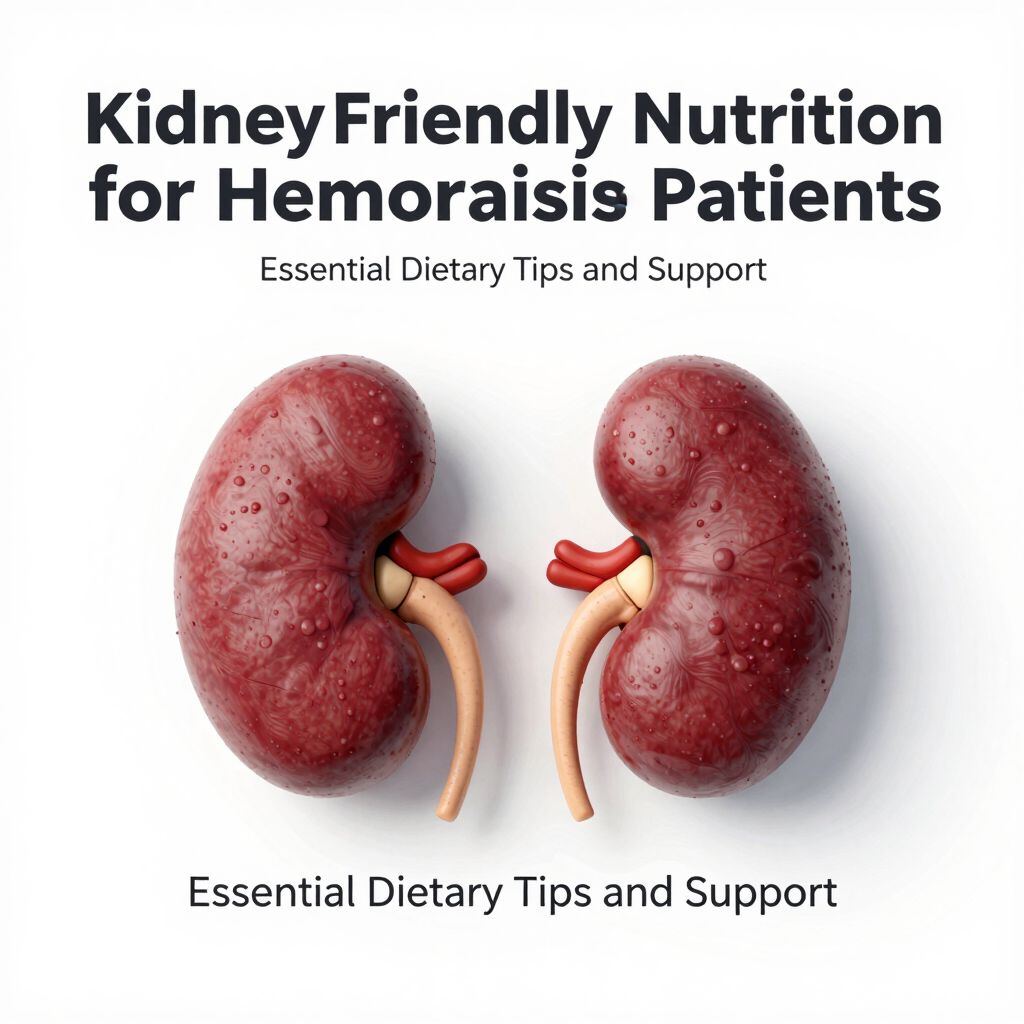
Kidney-Friendly Nutrition for Hemodialysis Patients: Essential Dietary Tips and Support
3/12/20265 min read
The Importance of Diet During Hemodialysis
For individuals undergoing hemodialysis, maintaining proper nutrition plays an essential role in overall health and treatment efficacy. Dialysis acts as a substitute for kidney function by removing waste products and excess fluids from the blood, but it does not completely replace the kidneys’ regulatory functions. Consequently, it is vital for patients to adopt a diet tailored to their specific renal needs.
A well-structured diet aids in managing the symptoms associated with kidney failure, which can include fatigue, anemia, and fluid imbalances. For patients on hemodialysis, the nutritional focus should include adequate protein levels, as dialysis treatments can lead to the loss of essential proteins from the body. However, it is crucial to balance protein intake with other dietary restrictions that are necessary to avoid complications. This consideration ensures that the body receives sufficient energy while preventing the buildup of waste products that the kidneys can no longer process effectively.
Furthermore, maintaining appropriate levels of dietary potassium, phosphorus, and sodium is crucial for hemodialysis patients. High levels of these minerals can lead to serious complications, including heart issues and bone problems. Therefore, a renal-specific diet generally involves the restriction of certain foods rich in these elements. Additional attention should also be paid to fluid intake, as patients often struggle with fluid retention, which can exacerbate hypertension and lead to further health challenges.
Lastly, customizing dietary recommendations for each individual can result in significant improvements in their quality of life during treatment. A well-planned diet not only addresses the immediate nutritional needs of hemodialysis patients but also enhances overall well-being and energy levels, which can positively influence their engagement in daily activities and social interactions. Ultimately, understanding the importance of diet in this context empowers patients to take control of their health and management of their condition.
Five Actionable Dietary Tips for Hemodialysis Patients
Following a kidney-friendly diet is crucial for patients undergoing hemodialysis. The dietary restrictions can feel overwhelming, but implementing a few practical strategies can greatly assist in managing health. Here are five actionable tips that hemodialysis patients can incorporate into their lifestyle:
1. Manage Sodium Intake: High sodium intake can lead to fluid retention and hypertension, both of which complicate the condition of kidney patients. To manage sodium intake, it is essential to read labels carefully and choose fresh or frozen foods over processed alternatives, which often contain hidden sodium. Opting for herbs and spices instead of salt for seasoning can also enhance flavor without the sodium load.
2. Control Potassium Levels: Potassium is vital for muscle function, but elevated levels can lead to serious health issues. Hemodialysis patients should focus on monitoring their potassium intake by avoiding high-potassium foods such as bananas, potatoes, and tomatoes. Instead, they can choose lower-potassium options like apples, carrots, and white rice, which are friendlier for their dietary needs.
3. Maintain Adequate Protein Intake: During hemodialysis, patients lose protein, making it essential to replenish these levels. However, not all proteins are created equal. High-quality protein sources such as lean meats, eggs, and dairy products should be prioritized. Creating a balance of protein intake throughout the day is also recommended to ensure the body’s needs are met without overloading.
4. Stay Hydrated Wisely: While staying hydrated is critical, excess fluid can pose risks. Patients should aim for controlled hydration based on their dialysis schedule. It is wise to track fluid intake, being mindful of how foods contribute to hydration. For example, fruits and vegetables with high water content can be consumed in moderation.
5. Avoid Foods High in Phosphorus: The body struggles to eliminate phosphorus effectively without efficient kidney function, leading to health complications. Patients should steer clear of phosphorus-rich foods, such as processed cheeses, dark sodas, and nuts. Instead, selecting alternatives such as rice milk or white bread can help minimize phosphorus intake.
The Role of a Certified Renal Dietitian
Consulting a certified renal dietitian is essential for patients undergoing hemodialysis, as they provide expert guidance tailored to individual nutritional needs. Hemodialysis patients face specific dietary restrictions aimed at managing their condition, particularly concerning sodium, potassium, phosphorus, and protein intake. A certified renal dietitian is trained to assess these unique requirements and can offer personalized dietary advice that aligns with medical guidelines.
One of the primary roles of a renal dietitian is to evaluate the patient’s overall health status, including their lab results, dietary preferences, and lifestyle factors. This comprehensive assessment enables the dietitian to create a customized meal plan that not only meets nutritional goals but also is enjoyable for the patient. Such tailored plans consider the limitations imposed by kidney disease while aiming to maintain a balanced diet, thus promoting overall health and well-being.
Furthermore, the dietary journey for hemodialysis patients does not end with the initial meal plan. Ongoing support and adjustments to the dietary recommendations are crucial, especially as treatments progress and patients’ conditions change. A renal dietitian provides continual education about the importance of adhering to dietary restrictions, explaining how specific foods can impact kidney health and dialysis efficacy. This professional support fosters accountability and encourages patients to take an active role in their nutritional management.
Incorporating the expertise of a certified renal dietitian can significantly enhance the quality of life for those on hemodialysis. By tailoring dietary plans and providing continuous guidance, dietitians play a pivotal role in helping patients achieve their nutritional goals and maintain their health effectively. Thus, investing time and resources into consulting a renal dietitian is a crucial step for successful dietary management during hemodialysis.
Holistic Nutritional Support at St. Michael Dialysis Center
Located in Cagayan de Oro, St. Michael Dialysis Center is dedicated to providing comprehensive, holistic nutritional support for individuals undergoing hemodialysis. Understanding the unique dietary needs of renal patients is crucial for improving their overall health and well-being. To this end, the center has developed a range of resources designed to cater to these specific requirements. These resources include personalized dietary consultations that address the distinct nutritional needs of each patient.
At St. Michael Dialysis Center, the nutritional team works closely with patients to develop tailored meal plans that consider their medical history, preferences, and lifestyle. These consultations not only help in creating balanced meals but also educate patients on managing their diets effectively during treatment. Through these interactions, patients gain valuable knowledge about portion control, protein intake, and ways to reduce potassium and phosphorus levels, which are critical factors in renal care.
In addition to one-on-one consultations, the center conducts workshops focused on kidney-friendly nutrition. These workshops serve as an excellent platform for patients to learn about healthy cooking techniques and how to select kidney-supportive ingredients. The emphasis on interactive learning enables patients to engage with experts and fellow individuals experiencing similar challenges, fostering a supportive community.
Patient education is further enhanced through comprehensive programs that include nutritional seminars and resources that patients can take home. Testimonials from previous participants highlight the significant impact these educational efforts have had on their lives. Many report improved dietary habits, leading to better management of their renal health and enhanced quality of life.
Contact
Reach out for compassionate kidney care
Services
Guide
info@stmichaelcar.com
+63-88-123-4567
© 2025. All rights reserved.